Celebrating Maha Shivaratri
Shiva isn't a distant deity. He appears as a yogi in deep meditation, a dancer in motion, and a force that clears the way for renewal. Maha Shivaratri, observed today, brings focus to these many sides of Shiva. The festival falls on the 14th night of the waning moon in the Hindu month of Phalguna and is marked by night-long worship, simple offerings and quiet restraint rather than spectacle.
Today, devotees practise fasts ranging from fruit-only meals to complete abstinence from food and water. Temples follow a steady rhythm through the day and night, performing repeated abhishekams with water, milk, curd, honey and ghee. Each offering carries meaning, linked to cleansing, nourishment and balance. The emphasis stays on simplicity, with the night spent in prayer, chanting and quiet reflection. Staying awake through the night symbolises alertness to inner truth, while the chant 'Om Namah Shivaya' is believed to steady the mind and invite calm.
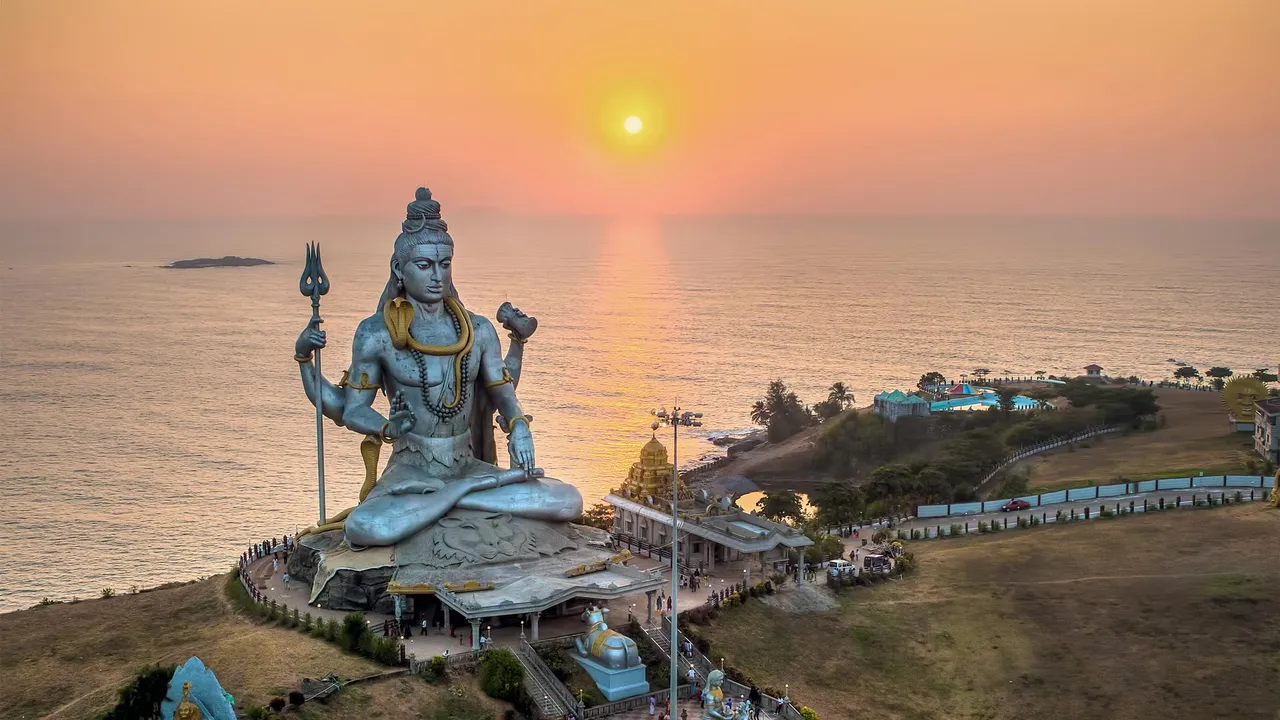
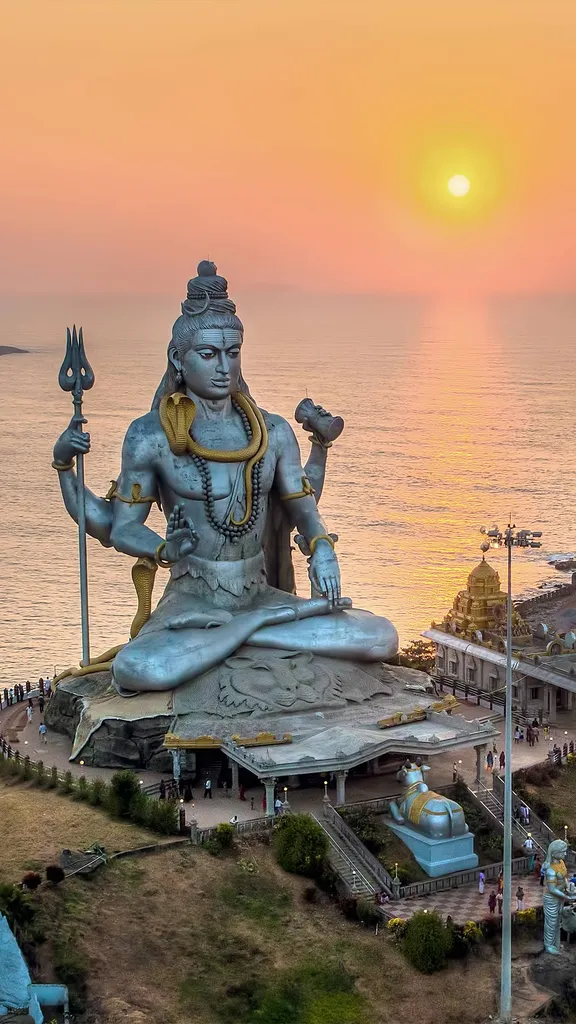
Rising above the Arabian Sea, the statue shows Shiva seated in meditation, trident in hand. On a night shaped by stillness and devotion, this 37.5-metre-tall Shiva statue at Murudeshwara Temple complex in Karnataka stands as a clear reminder of control, balance and cosmic order.