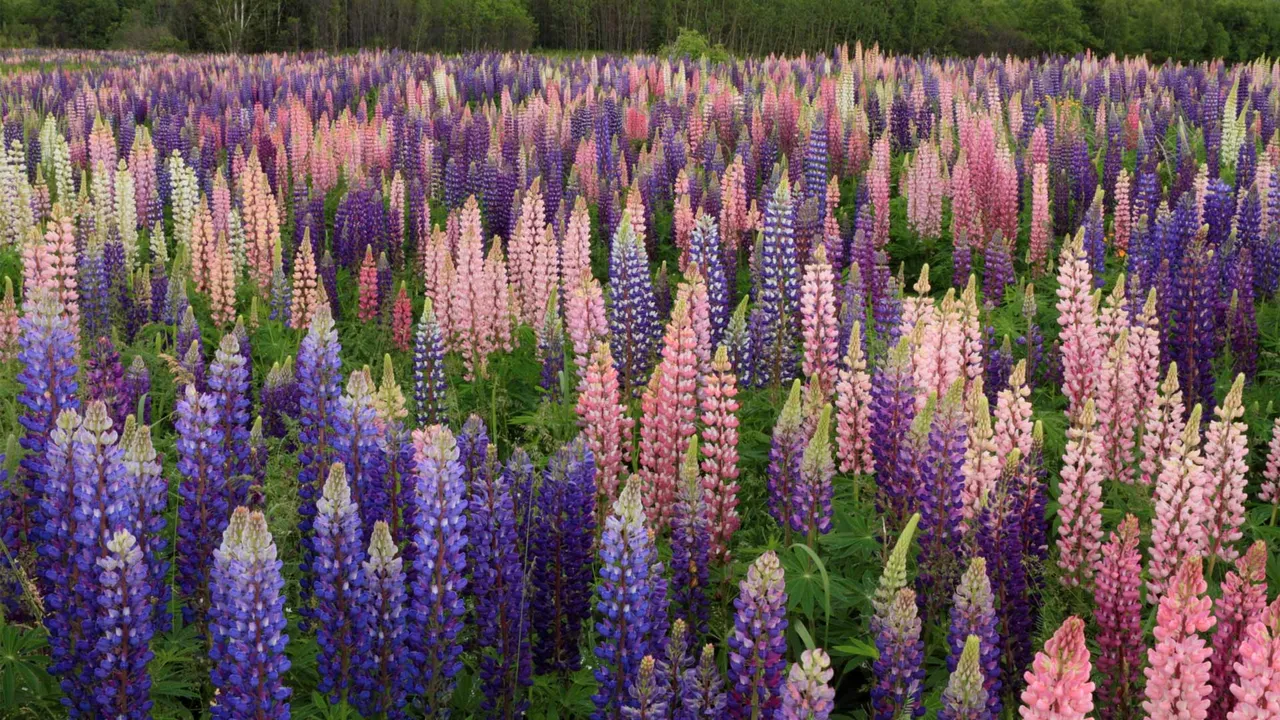
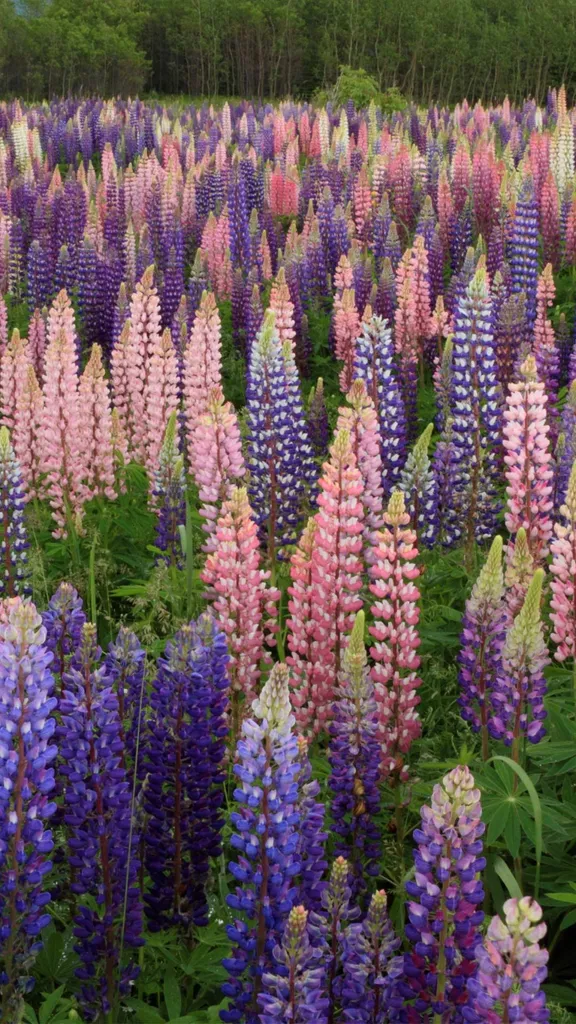
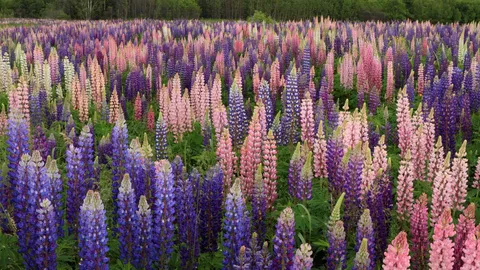
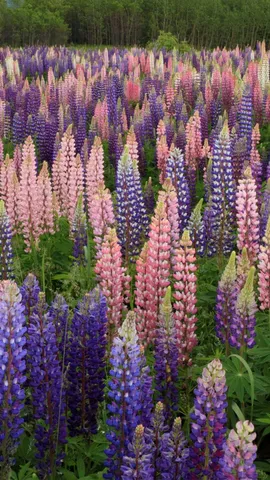
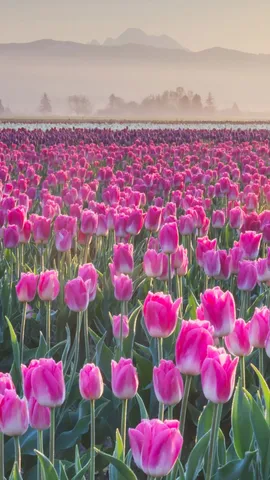
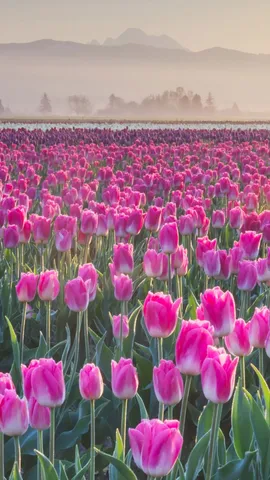
Blooming lupines in Newfoundland
What makes a lupine so eye-catching? Start with the shape: tall spires packed with pea-like flowers, often in blues, purples, pinks and whites. Add finely divided leaves and a knack for improving soil by fixing nitrogen, and you've got a plant that's both hardy and useful. Lupines thrive in cool climates, which explains why they spread so easily across parts of Atlantic Canada.
On the island of Newfoundland, these flowers have become a familiar roadside sight. Most are garden escapees, particularly the large-leaf lupine, introduced from western North America. By early summer they form long bands of colour along highways, fields and coastal slopes.
Mid-April is still slightly early for the main display, but the island is already shifting from winter to spring. Longer days, melting snow and the first hints of green appear across a landscape known for rugged cliffs and fishing villages. In a few weeks, lupines will line the roadsides—an unofficial seasonal marker for locals, shaped by the island's cool Atlantic climate.