
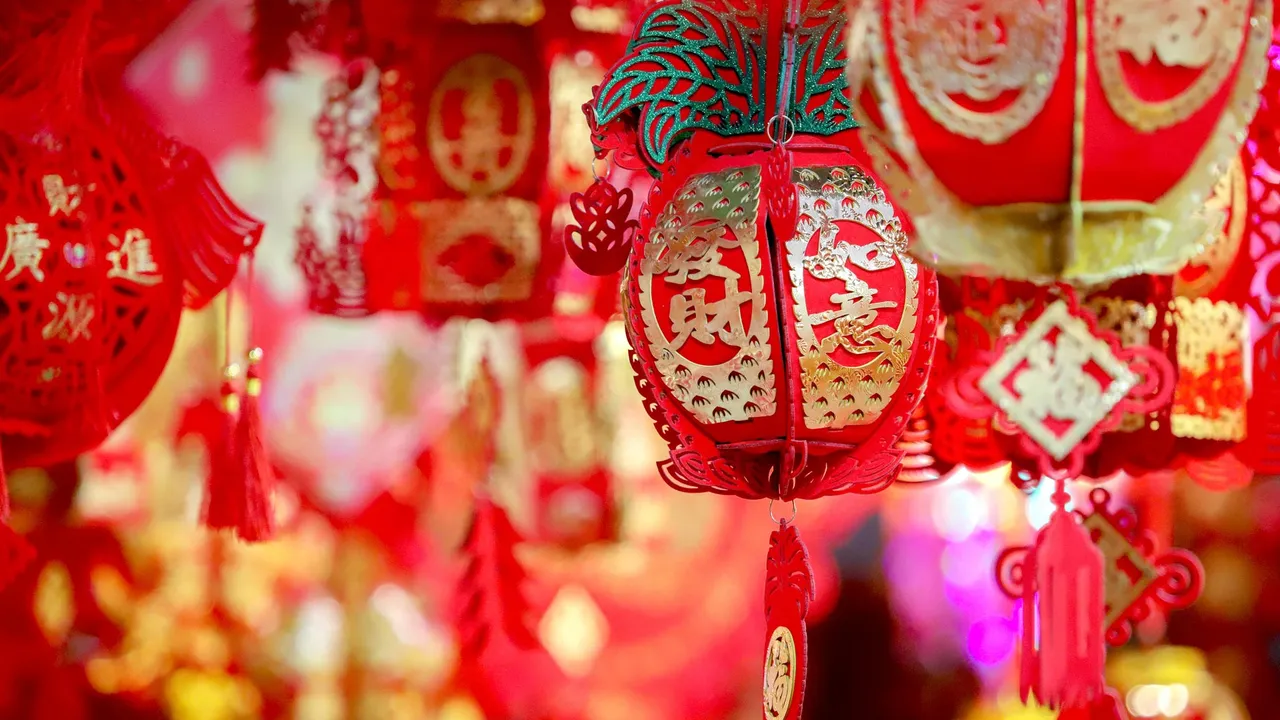
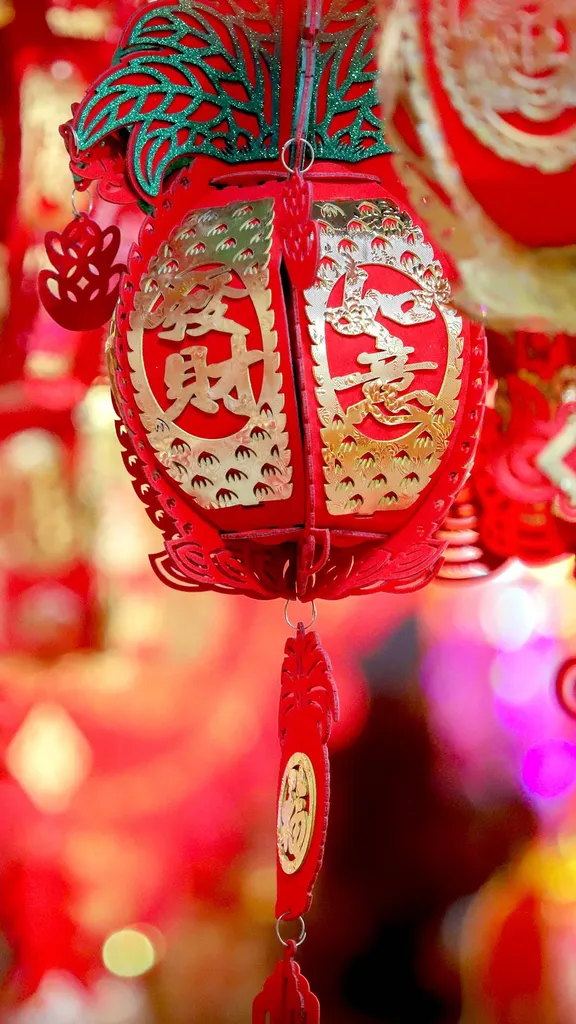
Red lanterns celebrating Chinese New Year (© Gins Wang/Getty Images)
Chinese New Year can begin as late as February 20, making it one of the latest-starting major New Year celebrations in the world.
Chinese New Year, also known as the Spring Festival, marks the beginning of a new year on the traditional Chinese lunisolar calendar. This calendar follows the phases of the moon and the rhythms of the seasons. Red lanterns—like the ones shown in today's image—are widely associated with the celebration. The holiday falls on the new moon between 21 January and 20 February and has been observed for more than 2,000 years. In 2024, UNESCO added the Spring Festival to its Intangible Cultural Heritage of Humanity list, recognising its cultural and historical importance.
The festival follows a 15-day sequence, beginning on Chinese New Year's Eve and ending with the Lantern Festival. Each day traditionally carries its own customs, though practices vary from region to region. Even with these regional differences, the overall progression of the celebration remains similar across communities, reflecting a shared cultural framework tied to the lunar calendar.
The date of Chinese New Year changes annually because it is based on lunar cycles rather than the Gregorian calendar. This shifting date sets it apart from fixed-date holidays and explains why the festival's timing varies each year, even though its internal structure stays consistent.