
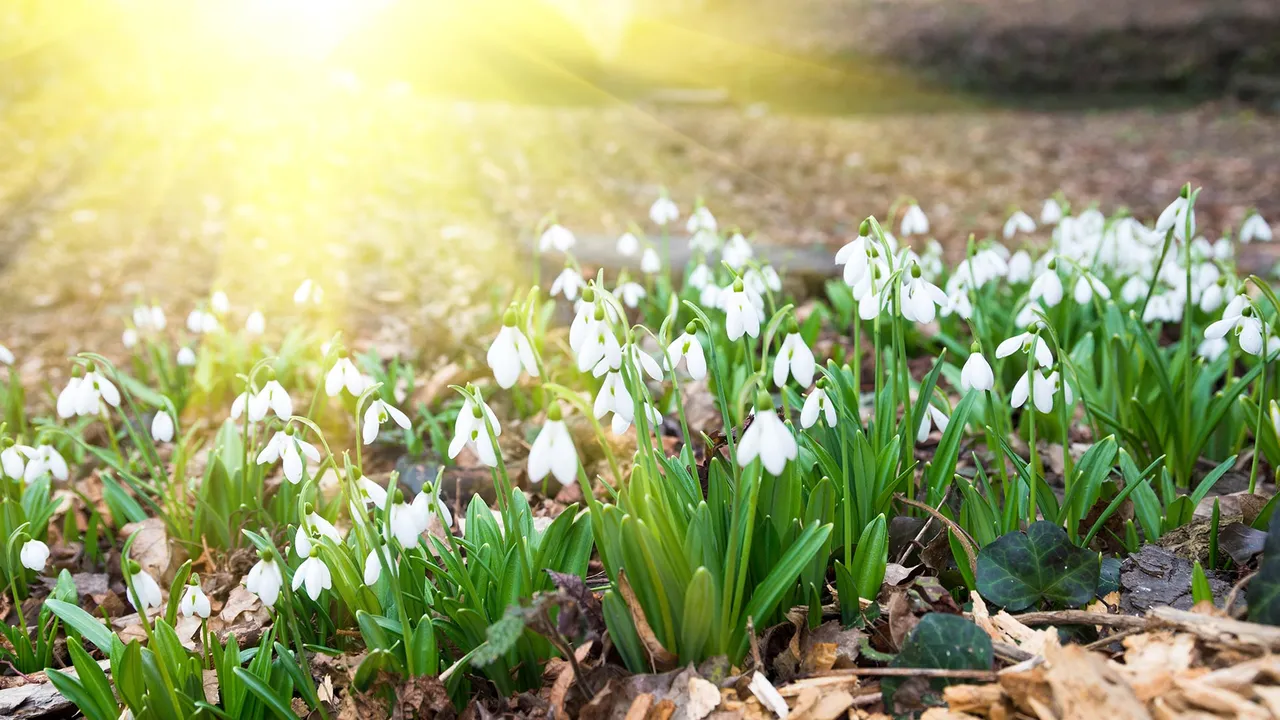
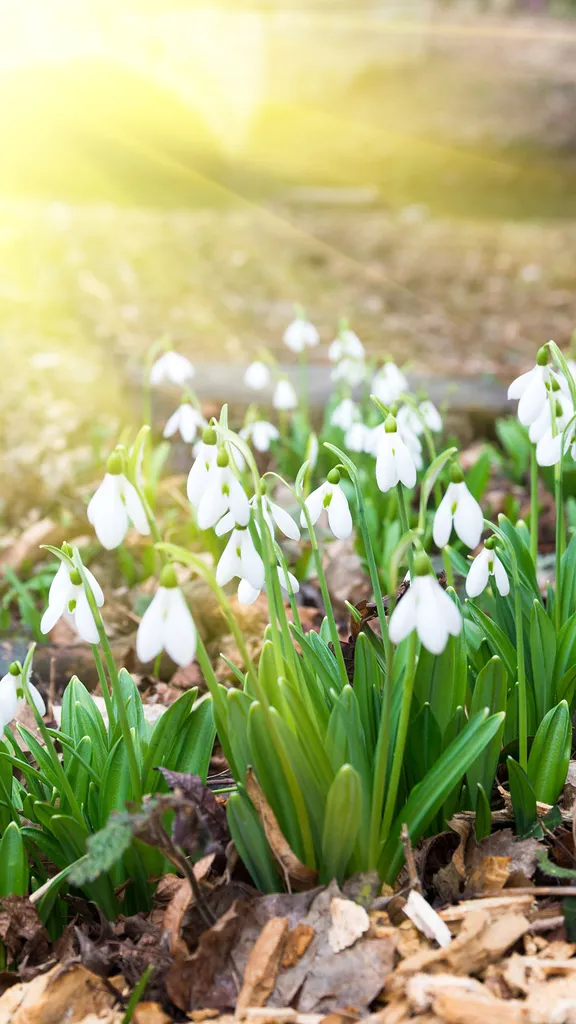
Snowdrops in spring (© klagyivik/Getty Images)
A white snowdrop feels like spring's quiet debut. No fanfare, no fuss—just a small flower daring to appear as the season begins to turn. Snowdrops are among the earliest bloomers, often pushing through frozen soil, leaf litter and even light snow. How do they manage it? Their nodding, bell-shaped flowers protect pollen from cold rain, while antifreeze-like compounds in their cells help them tolerate frost. Delicate-looking, yes. Fragile? Not at all.
Native to parts of Europe and the Middle East, snowdrops grow from bulbs and form spreading clumps over time, a slow but steady reminder that change doesn't have to be loud. They're also an early lifeline for insects emerging from dormancy, offering nectar when little else is available. Snowdrops contain galantamine, a compound used in medicines that help manage symptoms of Alzheimer's disease by supporting nerve signalling in the brain. No wonder their arrival is noticed so quickly each year.